What It Is and How It Actually Works
Imagine managing a warehouse with 50,000 items. Using traditional barcodes means manually scanning each one — a full day's work. With UHF RFID, you could count that entire warehouse in minutes, completely autonomously.
A Bit of Background
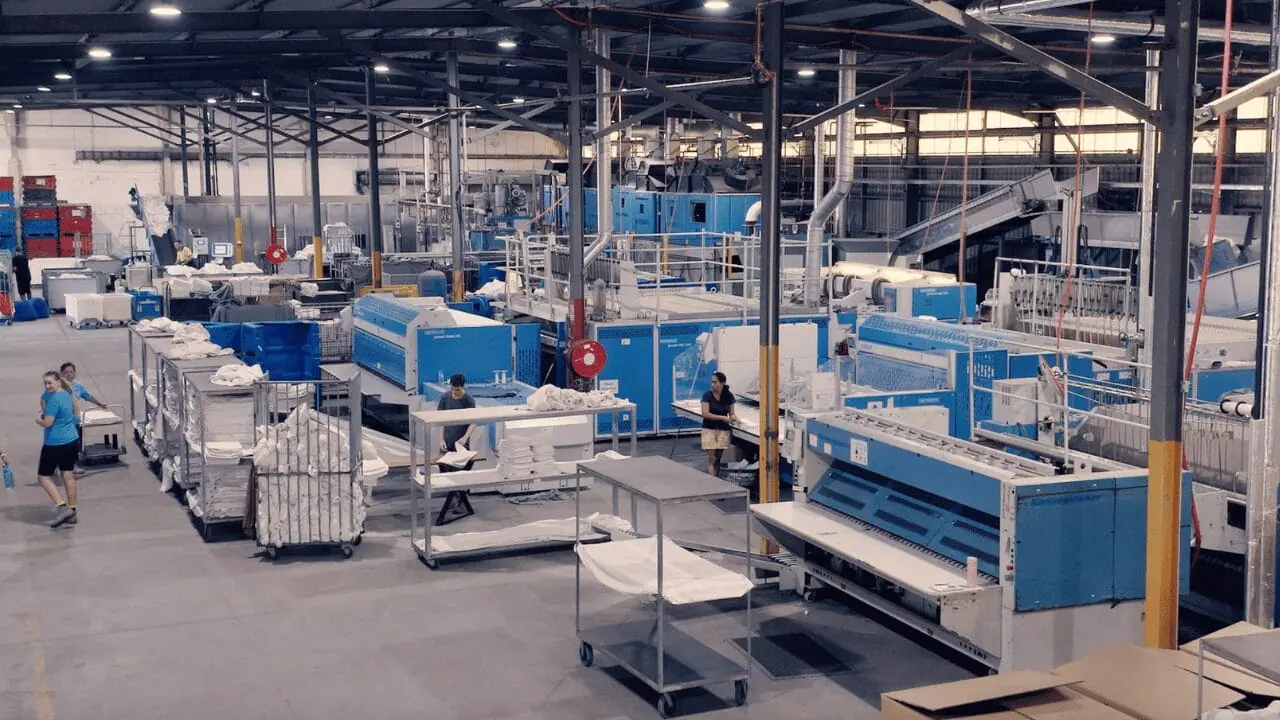
A decade of building and deploying RFID systems in commercial and industrial settings — including laundry operations and warehouse portals — sits behind this, along with patents in the space.
What Is RFID?
RFID (Radio Frequency Identification) uses radio waves to identify physical objects. Three frequency bands are commonly used:
Low Frequency (LF): powers pet microchips and car immobilisers; centimetre-range; works near water and tissue.
High Frequency (HF): enables NFC — tap-and-go cards, passports; roughly 30cm range.
Ultra High Frequency (UHF): 1–12+ metres, reads hundreds of tags per second, needs no line of sight; powers warehouse systems, retail tracking, toll roads and baggage handling.
The Three Core Components
Tags
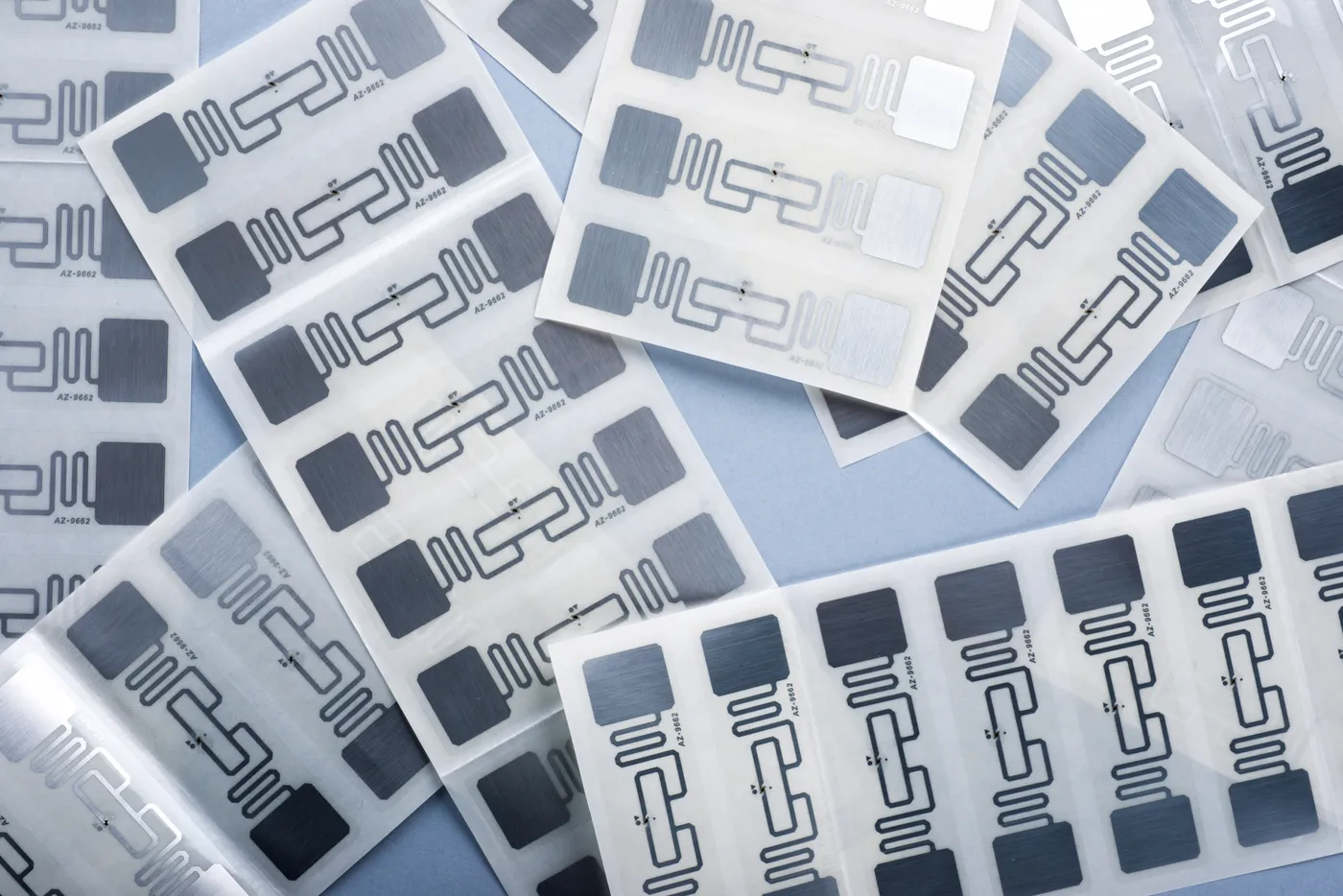
A UHF RFID tag is a microchip and an antenna — no battery. These passive tags stay dormant until a reader activates them. The reader emits radio waves that power the chip, which modulates the signal and reflects it back in a process called backscatter. Imagine shining a torch at someone holding a mirror: they tilt it up and down, reflecting light back at you in a pattern, like morse code.
Tags transmit a unique identifier called the EPC (Electronic Product Code), typically 96 bits. Additional memory includes a factory-written TID (an unchangeable serial number for authenticity) and small User Memory for batch or date codes. Tags range from adhesive labels (a few cents) to ruggedised hard tags ($1–$15) for harsh environments.
Critical caveat: metal reflects UHF waves; water absorbs them. Standard label tags perform poorly on steel, so on-metal tags with spacer layers are required.
Readers
Readers both transmit and receive — generating RF energy and decoding responses. They follow the EPC Gen2 protocol, marketed as RAIN RFID. Fixed readers are permanently mounted (e.g. above dock doors); handheld readers are portable. When many tagged items respond at once, the Gen2 anti-collision algorithm orchestrates rapid, randomised responses, achieving read rates of hundreds of tags per second.
Antennas
Antennas shape and direct RF energy, defining the read zone in physical space.
Polarisation — Linear focuses energy in a single plane (more range, needs tag alignment); Circular spreads energy in rotating patterns (less orientation-dependent).
Beam pattern — Narrow gives focused, predictable zones (ideal for portals); Wide covers more area but risks reading unintended tags.
Putting It Together
Tags are passive devices that backscatter their identity when powered. Readers generate that power and manage collisions. Antennas shape the RF energy into defined physical zones. That foundation supports every system tracking inventory across warehouses, retail and industrial facilities.