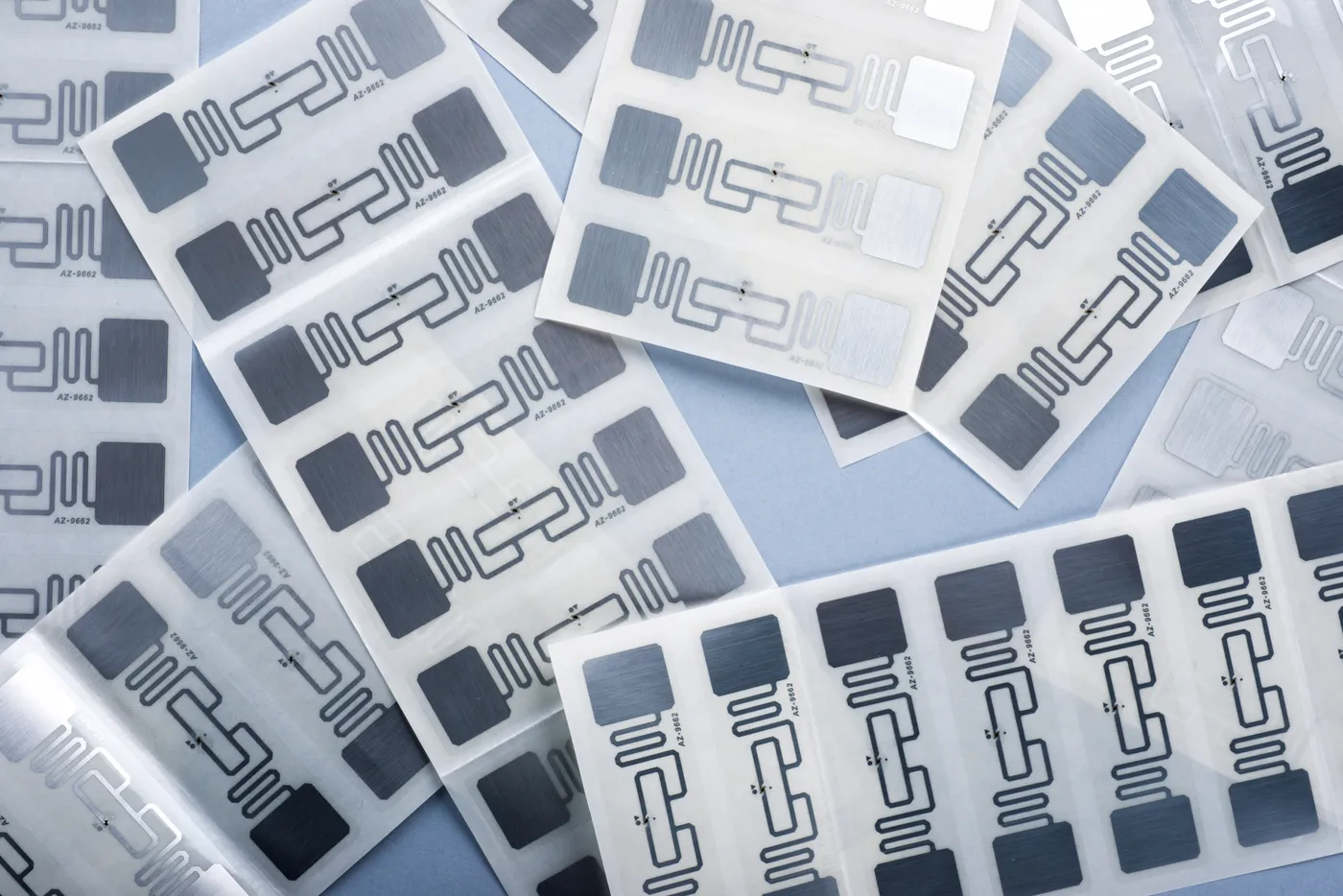
I've been involved in RFID implementation in commercial laundries for over a decade. My work at SPL helped bring them to the point where they could automatically generate orders for customers based on usage, and create their "Linen Hubs" — the "just walk out" linen store for short-term stays.
Most commercial laundry operators are aware of the hardware and software costs involved, and are fine with the investment when it actually delivers on the promises. But I've seen too many RFID readers in laundries collecting dust to not recognise the pattern.
An operator invests in hardware and software and starts shipping linen. They focus on it for a quarter or two, but the system never reaches the point where anyone in the business actually trusts the data. And if the laundry doesn't trust the data, how can you expect the customer to?
So the project is never officially decommissioned. The portals stay installed, linen is still bought with chips, "RFID capabilities" still go on tenders — but the system never delivers any value.
So why does this happen?
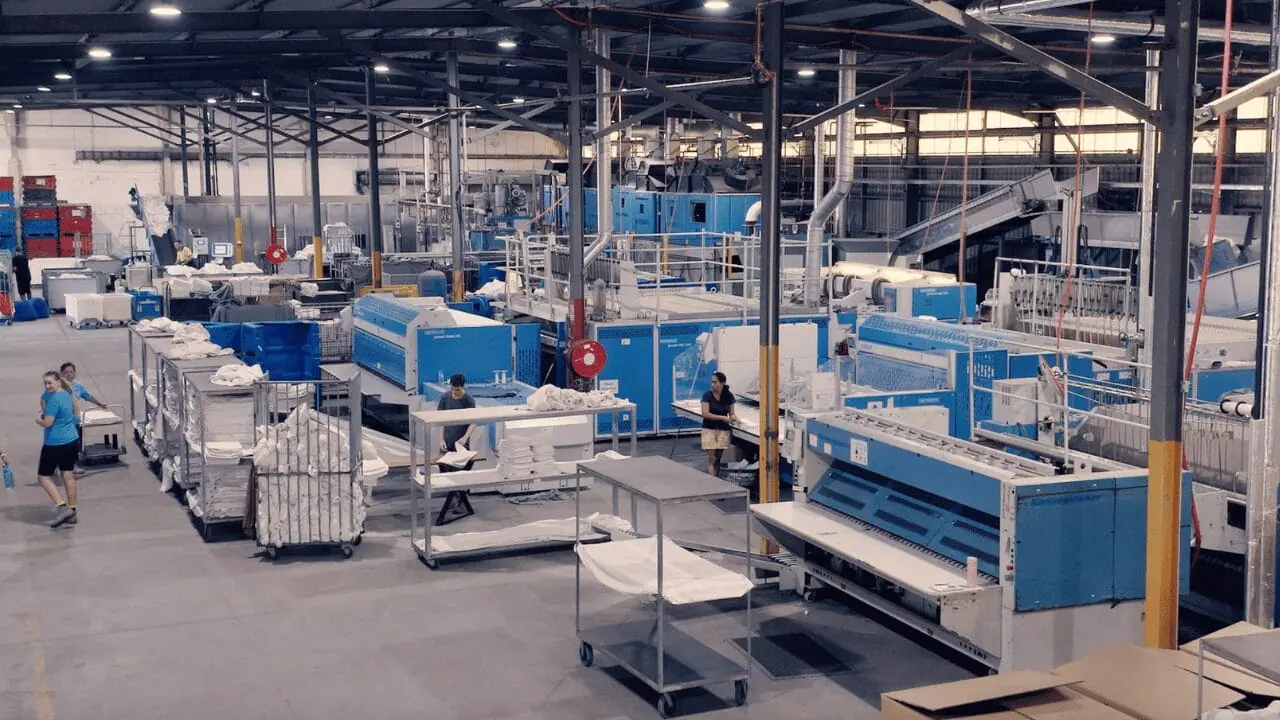
Imagine you hear about the efficiency gains of tunnel washers, so you invest in one. You see the hardware and install cost, run the ROI and say "great, let's do it." Then you rip out all your washer-extractors and install a CBW — on its own. No conveyors, no batch transfer dryers, no changes to the rest of the operational flow. You can imagine the unmitigated disaster.
RFID adoption needs to be treated as the same kind of paradigm shift as moving from washer-extractors to CBWs. For it to succeed — to actually provide linen-spend savings — it has to be accompanied by an operational shift of that magnitude. The readers and software provide no value unless coupled with absolute commitment, at every level of the business, to keeping the data accurate.
So what does the operational change look like?
RFID rollouts fail because the data is treated as optional. After a successful rollout, if the dispatch readers go down, the laundry isn't sending out the door. A reader going down is treated with the same urgency as an ironer or washer breaking down — it stops production.
Lack of data integrity is exactly why laundries aren't using their RFID systems. You can't have data integrity without a commitment to ensuring every item sent to a customer is chipped, registered and scanned correctly, with regular audits to confirm the soil readers are operational. That means processes on the factory floor followed with the utmost diligence.
Only when a laundry has that level of commitment can they sit down with a customer in full confidence and show them the data. Only then can they automate ordering to demand, minimise cold stock at customer sites, and genuinely reduce linen spend.
So why can't you afford RFID?
An investment without ROI isn't something any business can afford — it wastes money and time. You'd laugh at an operator installing a tunnel washer without changing anything on the floor, but so many do exactly that with RFID: throw in some readers and expect savings to appear on their own.
If you can't afford the time to nurse an operational-change project over 6–12 months, you can't afford RFID.